BSMI Debugging
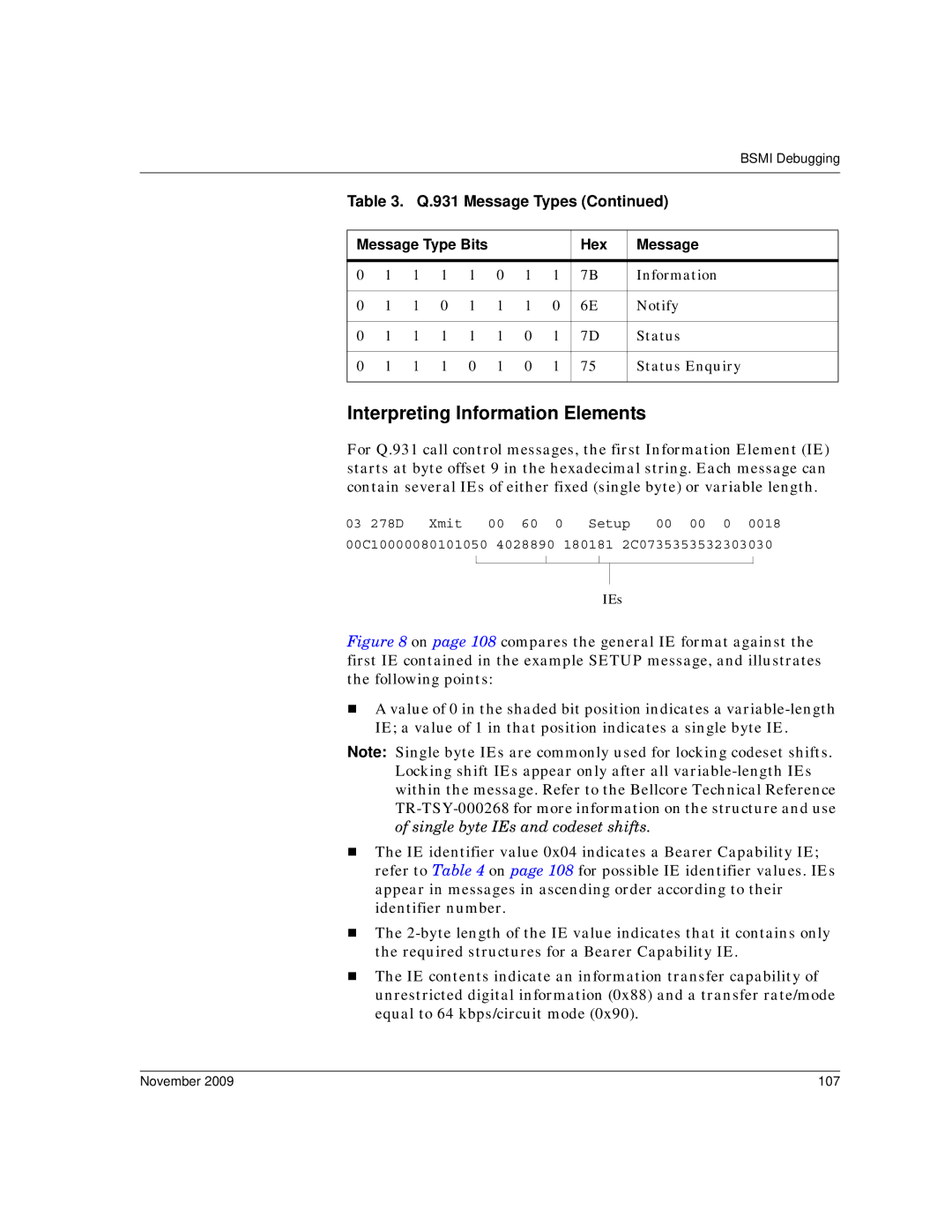
Table 3. Q.931 Message Types (Continued)
Message Type Bits |
|
|
| Hex | Message | ||||
|
|
|
|
|
|
|
|
|
|
0 | 1 | 1 | 1 | 1 | 0 | 1 | 1 | 7B | Information |
|
|
|
|
|
|
|
|
|
|
0 | 1 | 1 | 0 | 1 | 1 | 1 | 0 | 6E | Notify |
|
|
|
|
|
|
|
|
|
|
0 | 1 | 1 | 1 | 1 | 1 | 0 | 1 | 7D | Status |
|
|
|
|
|
|
|
|
|
|
0 | 1 | 1 | 1 | 0 | 1 | 0 | 1 | 75 | Status Enquiry |
|
|
|
|
|
|
|
|
|
|
Interpreting Information Elements
For Q.931 call control messages, the first Information Element (IE) starts at byte offset 9 in the hexadecimal string. Each message can contain several IEs of either fixed (single byte) or variable length.
03 278D Xmit 00 60 0 Setup 00 00 0 0018
00C10000080101050 4028890 180181 2C0735353532303030
IEs
Figure 8 on page 108 compares the general IE format against the first IE contained in the example SETUP message, and illustrates the following points:
A value of 0 in the shaded bit position indicates a variable-length IE; a value of 1 in that position indicates a single byte IE.
Note: Single byte IEs are commonly used for locking codeset shifts. Locking shift IEs appear only after all
The IE identifier value 0x04 indicates a Bearer Capability IE; refer to Table 4 on page 108 for possible IE identifier values. IEs appear in messages in ascending order according to their identifier number.
The 2-byte length of the IE value indicates that it contains only the required structures for a Bearer Capability IE.
The IE contents indicate an information transfer capability of unrestricted digital information (0x88) and a transfer rate/mode equal to 64 kbps/circuit mode (0x90).
November 2009 | 107 |